Do you do electrical work on its own, or only with a renovation?
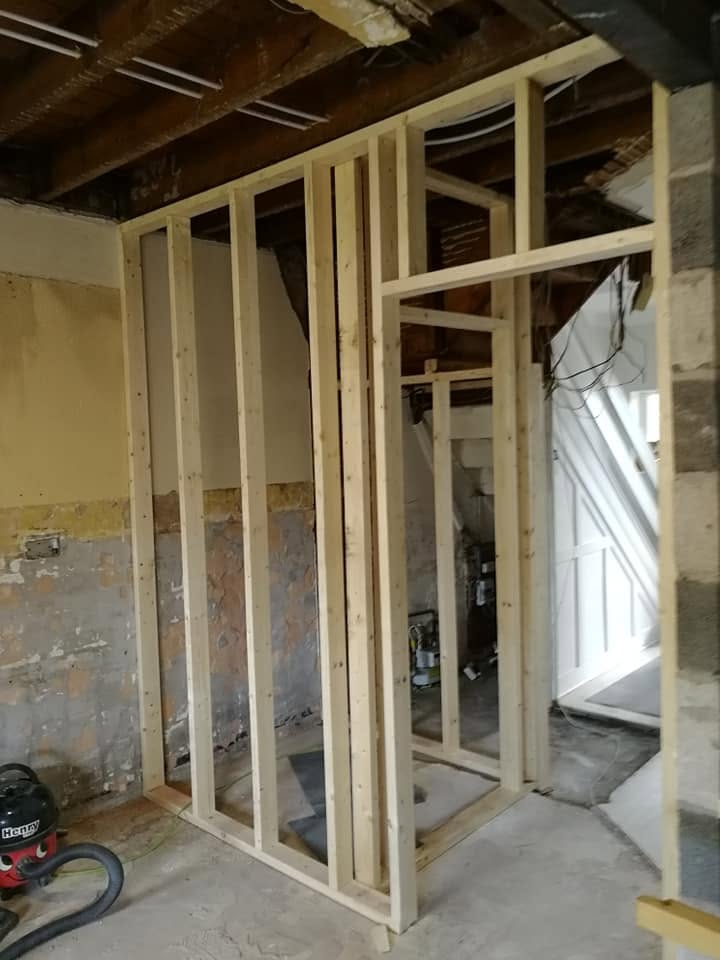
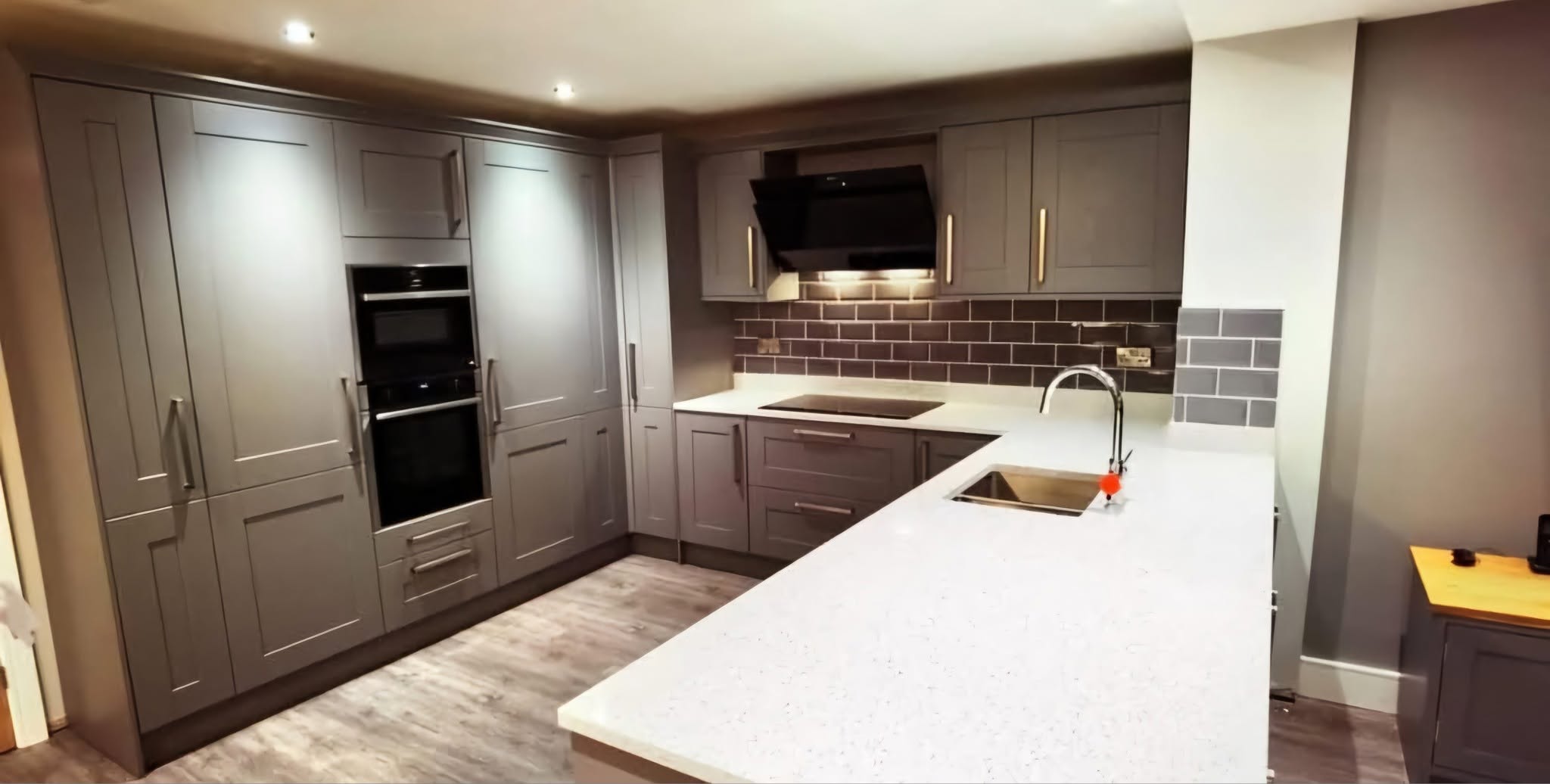
Both, though the bulk of it comes as part of a bathroom, kitchen or renovation. Standalone jobs like extra sockets, a new light fitting, an extractor fan or a consumer unit swap are perfectly normal work for us. The reason we mention it alongside the building work is that if there is any chance you will be renovating that room in the next year or two, doing the electrics at the same time saves paying twice for the same making good.
Is the work certificated?
Notifiable electrical work is carried out and certificated to the relevant standards, and the certificate comes to you rather than sitting in a van. If you are selling or renting the property, that paperwork is the thing a solicitor or a letting agent will ask for, so it is worth keeping somewhere sensible. Ask at the quote what certification your particular job needs and you will get a straight answer instead of a vague reassurance.
My house needs rewiring. Does it all have to come off at once?
Not necessarily. A full rewire in one go is the cleanest option and it is usually the cheapest per circuit, but it is disruptive and it needs the property largely empty. Where that is not practical we can do it in stages, taking the circuits that matter most first. What we will tell you honestly is when a partial job is a false economy, because paying twice to lift the same floor is not saving money.
Can you fit downlights and extra sockets in a bathroom?
Yes, with the right ratings for the zone they are in, which is not something to guess at in a room full of water. Extractor fans, shaver sockets, heated mirrors, underfloor heating mats and IP-rated downlights are all standard on our bathroom jobs. Because we are doing the bathroom anyway, the cables are in before the walls are made good rather than after.
Do you replace old fuse boxes?
Yes. An old board with rewireable fuses and no RCD protection is the single most common thing we find in older houses around Stockport, and swapping it is a straightforward job that makes a real difference. Occasionally the tests throw up a fault on an existing circuit that has been sitting there unnoticed, in which case you get told what it is and what it costs to put right before anything else happens.
Will you make good after chasing the walls?
Yes, and that is rather the point of having one team. Chasing in cables means cutting into the plaster, and we fill, make good and leave it ready to decorate rather than handing you a room full of channels and saying it is the plasterer next. On a full renovation the plastering follows on directly, so you never see the chases at all.